.webp)
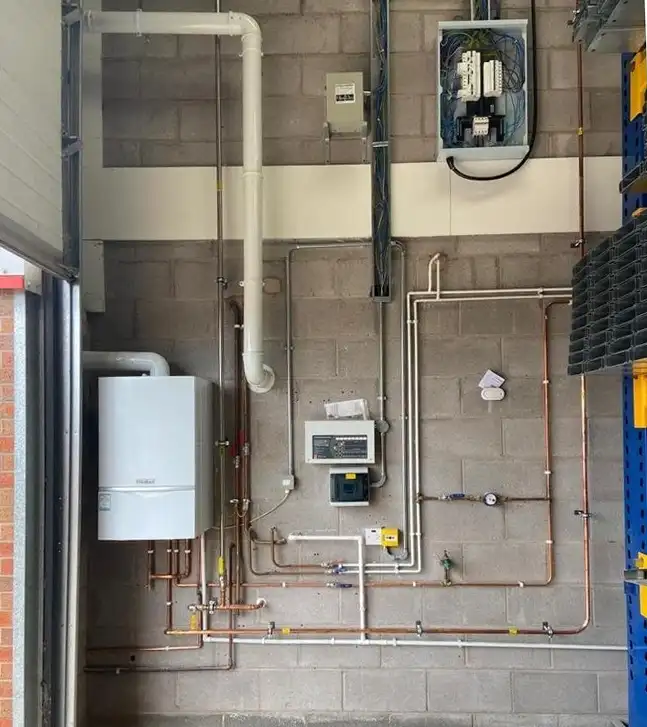
How to Stop Your Condensate Pipe Freezing This Winter
A frozen condensate pipe is the single most common cause of winter boiler lockouts - and one of the few faults you can often safely resolve yourself in ten minutes.
Every cold snap brings the same wave of calls. The boiler has stopped, it is showing a fault code, and there is a gurgling sound from a pipe outside. In most of those cases the appliance is entirely healthy - the condensate pipe has simply frozen and the boiler has shut itself down as designed.
Why it happens
Condensing boilers produce mildly acidic water as a by-product of extracting heat from flue gases. That water drains away through a plastic pipe, and where that pipe runs outside, sustained sub-zero temperatures can freeze the residue inside it. Once blocked, the condensate backs up, the boiler detects it, and it locks out rather than risk operating unsafely.
The good news
This is one of the few boiler faults a homeowner can usually resolve safely, because everything involved is on the outside of the property and nothing requires opening the appliance.
Thawing it safely
- Locate the plastic pipe running from the boiler through the external wall - usually white or grey, around 22mm
- Apply warmth to the exposed section using a hot water bottle, a microwaveable heat pack, or a cloth soaked in warm water
- Work from the open end back towards the wall
- Once thawed, reset the boiler following the manufacturer instructions
Use warm water, never boiling. Boiling water can crack cold plastic and split the pipe, turning a free fix into a chargeable repair. Never use a naked flame or a heat gun near the pipe or the wall.
Stopping it happening again
If it has frozen once it will freeze again, because the cause is the installation rather than the weather. Lagging the external run with proper waterproof pipe insulation is the first step and solves most cases outright.
Where it recurs despite lagging, the pipe is usually undersized, run at too shallow a fall, or takes too long an external route. Increasing the diameter, improving the fall, or rerouting it internally to discharge into an internal soil stack are all permanent fixes. That is engineer work, but it is straightforward and it ends the problem for good.
If the boiler will not restart once the pipe is clear, or if it locks out again shortly afterwards, stop and call us. At that point something else is going on and repeated resets will not help it.
Need a Hand With This?
Manor Vale covers Sutton Coldfield, Castle Vale, Erdington and the wider Birmingham area. Free quotes, no call-out charge, and Gas Safe registered engineers.
Related Articles
 Boilers
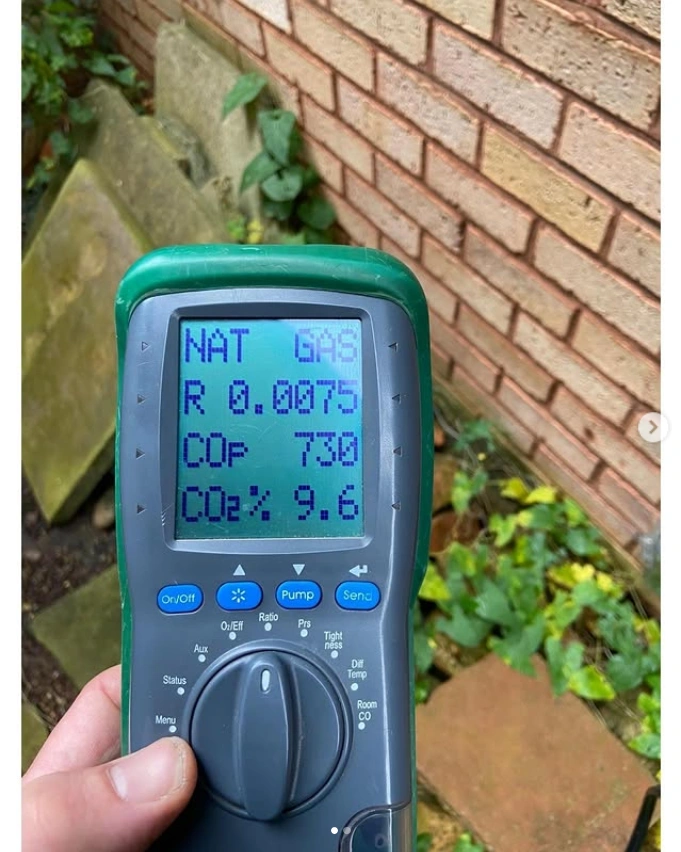
Why Your Boiler Keeps Losing Pressure (And When to Call an Engineer)
A boiler that needs topping up every few days is telling you something. Here is what falling pressure actually means, what you can safely check yourself, and the point at which it needs a Gas Safe engineer.
Read more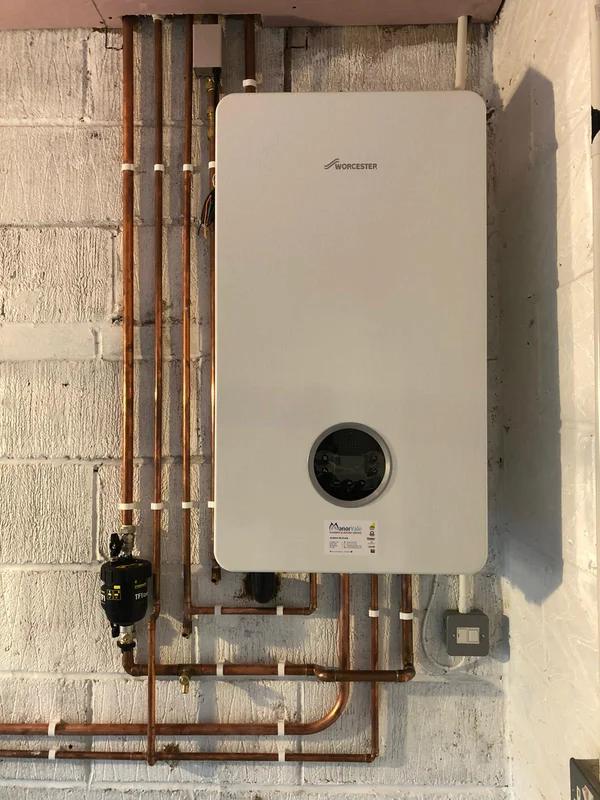 Maintenance
How Often Should You Service Your Boiler?
Annually is the short answer - but the reasons behind it are more interesting than the manufacturer warranty small print suggests. Here is what a service actually covers and why skipping one costs more than it saves.
Read more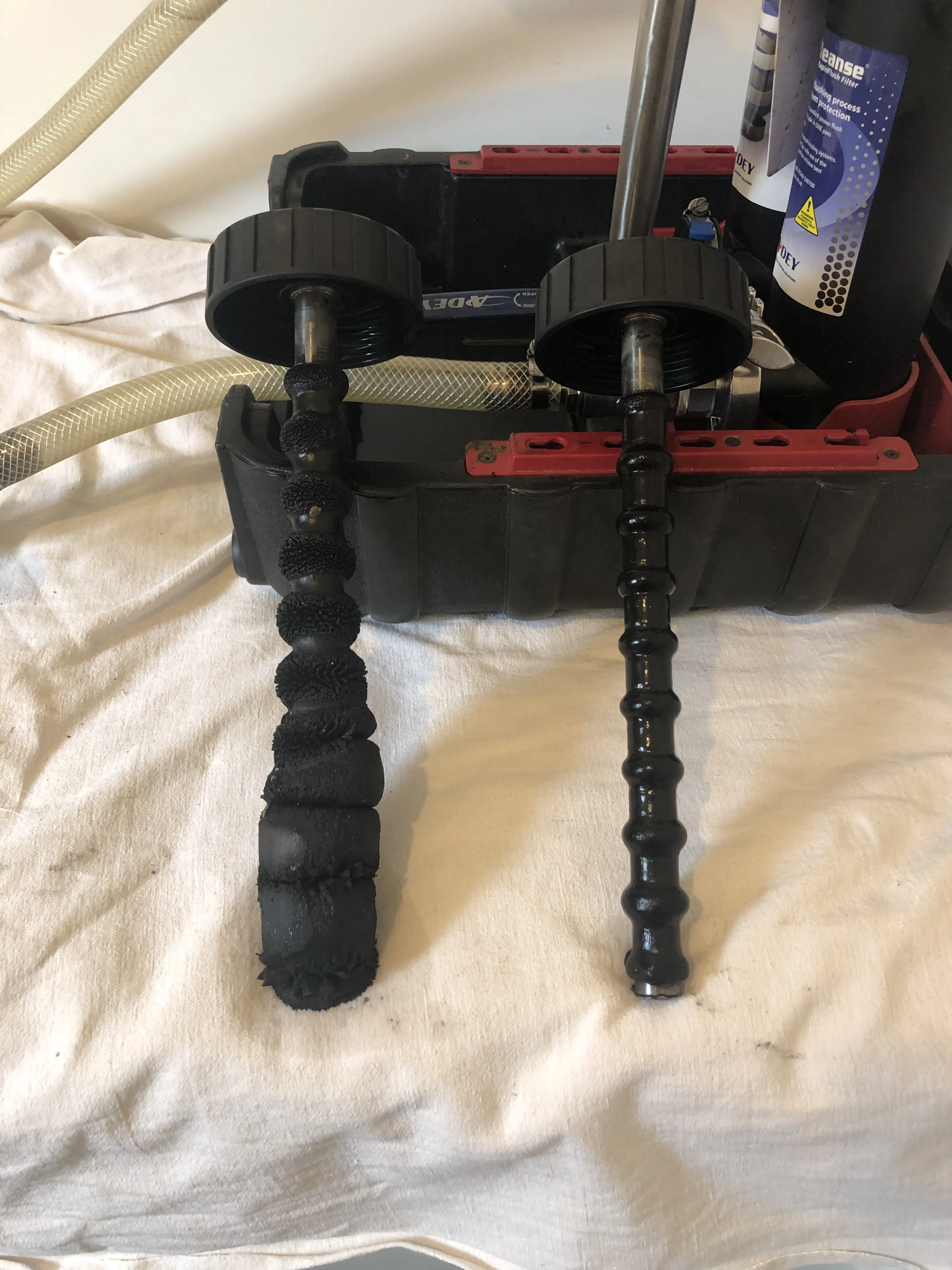 Heating
Six Signs Your Central Heating Needs a Power Flush
Cold spots, noisy pipes and radiators that never quite get there are not just annoyances - they are symptoms of sludge. Here is how to tell whether your system needs flushing.
Read more