.webp)
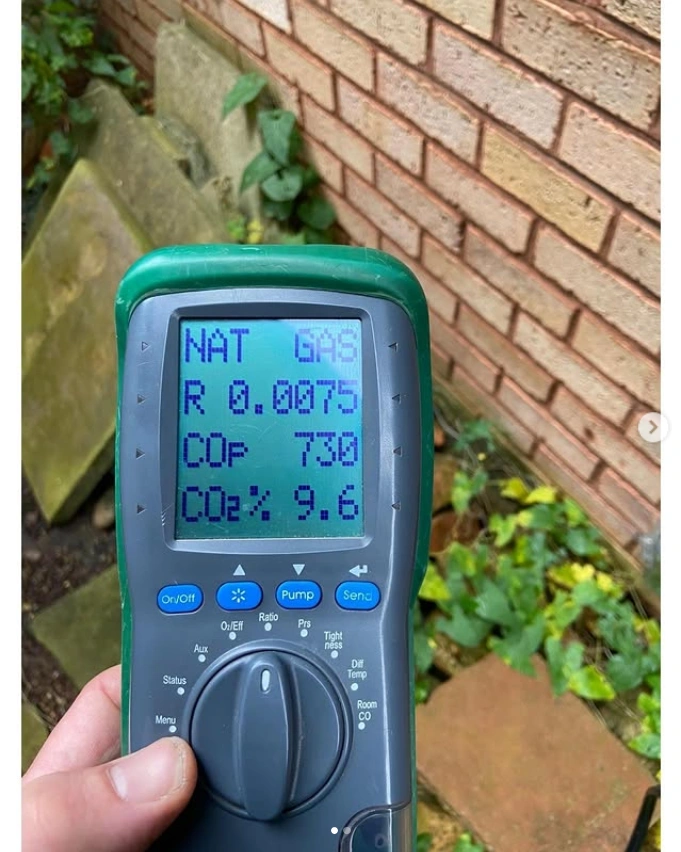
Why Your Boiler Keeps Losing Pressure (And When to Call an Engineer)
A boiler that needs topping up every few days is telling you something. Here is what falling pressure actually means, what you can safely check yourself, and the point at which it needs a Gas Safe engineer.
Most sealed heating systems sit somewhere between 1 and 1.5 bar when cold. If yours drifts below that and you find yourself reaching for the filling loop every couple of weeks, the pressure is not simply disappearing - it is going somewhere. Finding out where is the whole job.
The three things that usually cause it
In the vast majority of homes we visit around Sutton Coldfield and Erdington, falling pressure comes down to one of three culprits.
- A leak somewhere in the pipework, often under floorboards or behind a radiator where it goes unnoticed for months
- A failed expansion vessel, which can no longer absorb the expansion of heated water
- A pressure relief valve passing water out through the external discharge pipe
The first is the most common and the easiest to miss. A pinhole leak on a joint under a floor can lose enough water to drop your pressure noticeably over a fortnight while leaving barely a mark - the heat of the pipe evaporates most of it before it ever reaches a surface you can see.
What you can safely check yourself
There are a few sensible checks that involve no tools and no risk. Walk around every radiator in the house and run your hand along the valves at each end, looking for damp or staining. Check the ceiling below bathrooms and any upstairs radiators for discolouration. Then go outside and find the small copper discharge pipe that exits the wall near your boiler.
A quick tell
If that external discharge pipe is dripping or shows a chalky white residue around its mouth, your pressure relief valve is almost certainly passing. That is a genuine fault rather than a quirk, and it will keep losing pressure until the valve or the expansion vessel behind it is dealt with.
Where it stops being a DIY job
Topping up via the filling loop is fine occasionally. Doing it weekly is not - every top-up introduces fresh oxygenated water into the system, and oxygen is what drives the corrosion that produces sludge. In effect you would be slowly poisoning your radiators to treat a symptom.
Anything involving the expansion vessel, the relief valve, or opening up the boiler casing is Gas Safe territory. It is not a question of difficulty so much as legality and safety: work on the gas side of an appliance by an unregistered person is an offence, and the boiler will need recommissioning afterwards regardless.
“If you are topping up more than once a month, stop topping up and book a diagnostic. You are almost certainly paying for the same fault twice over - once in water and once in the damage it causes.”
What a proper diagnostic involves
When we attend a pressure loss call, the first job is isolating whether the loss is on the heating circuit or inside the appliance. From there it is a matter of pressure testing the vessel, checking the relief valve seat, and if neither is at fault, tracing the pipework. Most jobs are resolved in a single visit, and we will always tell you what we found before we touch anything chargeable.
Need a Hand With This?
Manor Vale covers Sutton Coldfield, Castle Vale, Erdington and the wider Birmingham area. Free quotes, no call-out charge, and Gas Safe registered engineers.
Related Articles
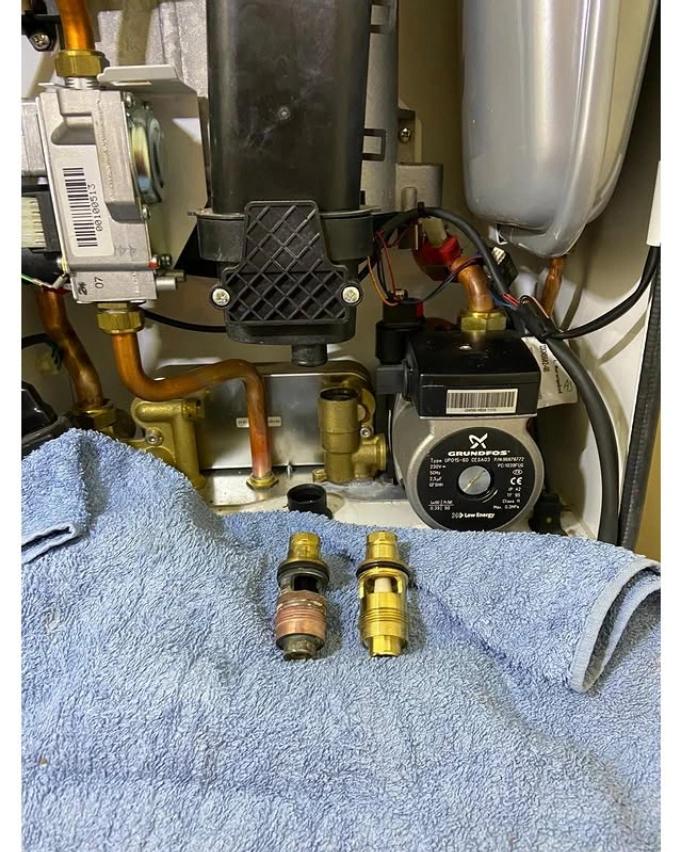 Boilers
Combi or System Boiler? Choosing the Right One for Your Home
The right boiler depends far more on your bathrooms, your water pressure and your household routine than on brand or price. A practical comparison without the sales pitch.
Read more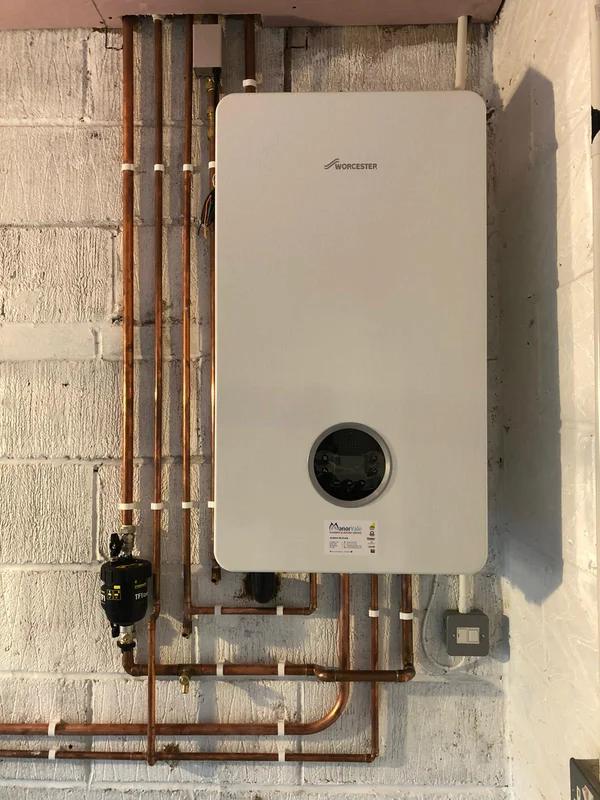 Maintenance
How Often Should You Service Your Boiler?
Annually is the short answer - but the reasons behind it are more interesting than the manufacturer warranty small print suggests. Here is what a service actually covers and why skipping one costs more than it saves.
Read more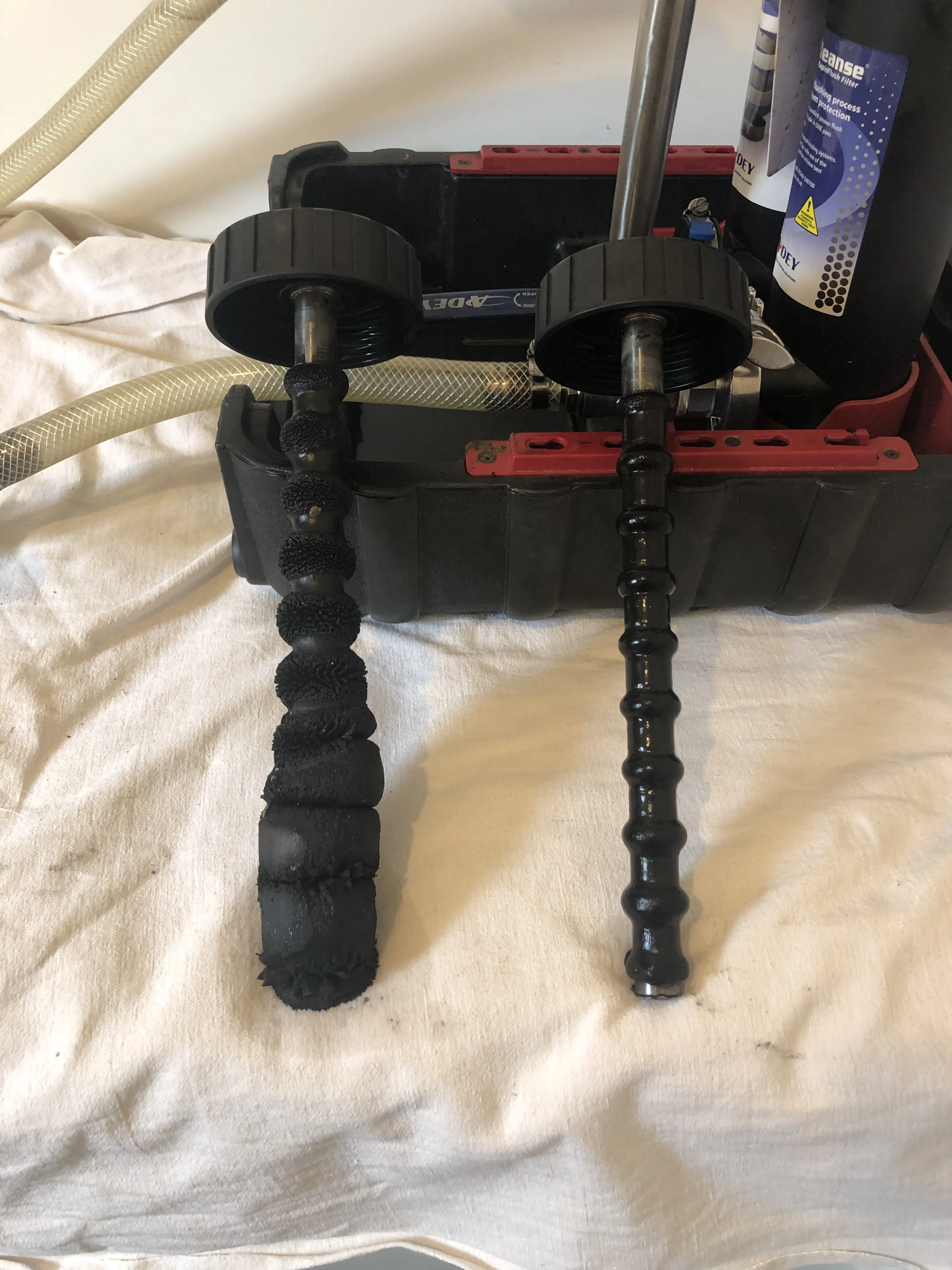 Heating
Six Signs Your Central Heating Needs a Power Flush
Cold spots, noisy pipes and radiators that never quite get there are not just annoyances - they are symptoms of sludge. Here is how to tell whether your system needs flushing.
Read more