.webp)
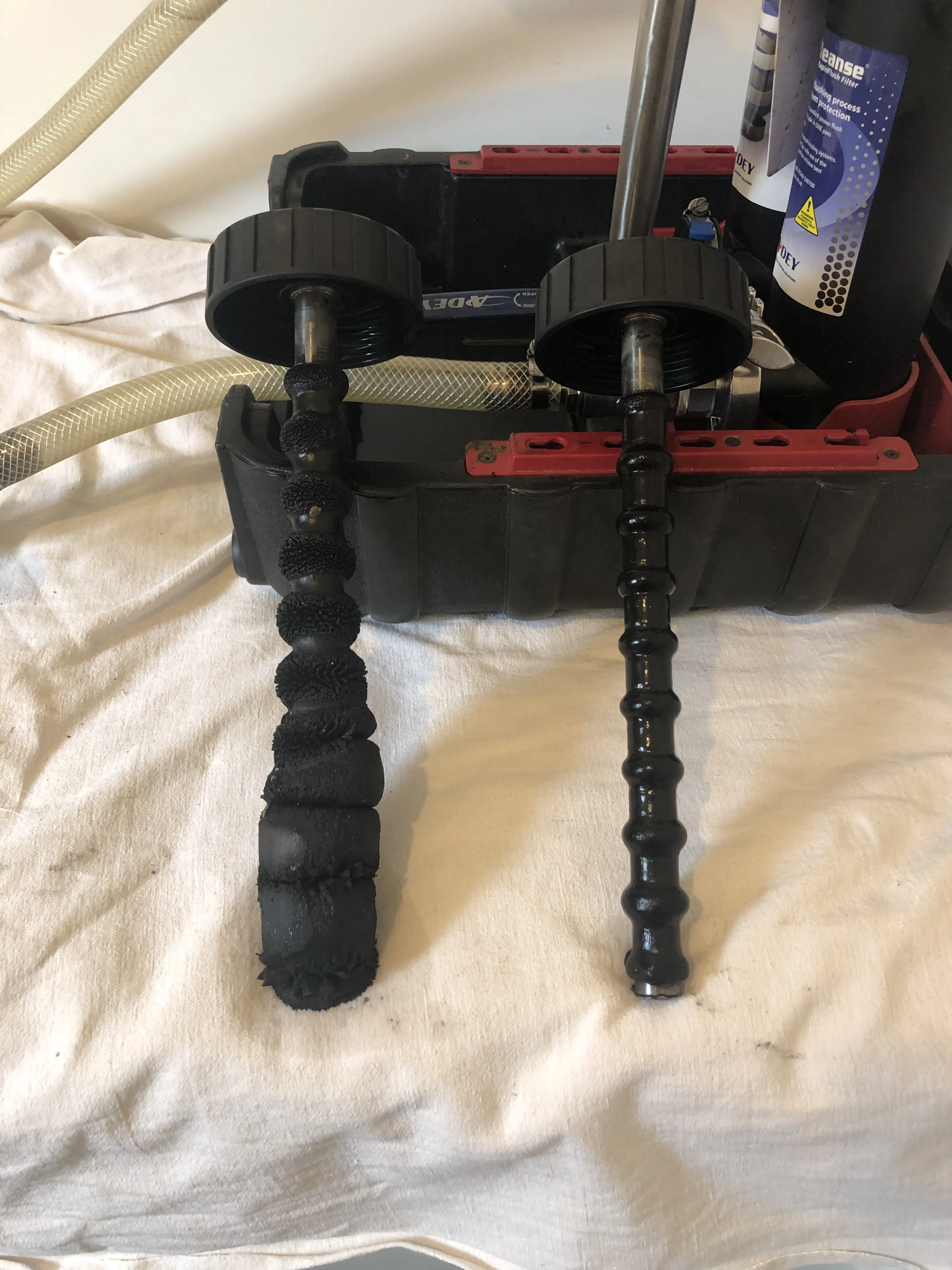
Cold spots, noisy pipes and radiators that never quite get there are not just annoyances - they are symptoms of sludge. Here is how to tell whether your system needs flushing.
Magnetite - the black, gritty sludge that forms as steel radiators corrode from the inside - is the single most common cause of poor heating performance in older UK homes. It settles where flow is slowest, which is why the symptoms follow such a predictable pattern.
The six signs worth acting on
- Radiators cold at the bottom but warm across the top - the classic sludge signature
- Some radiators never heat properly while others on the same circuit are fine
- The system takes noticeably longer to warm the house than it used to
- Banging, gurgling or kettling noises from the boiler or pipework
- Repeatedly needing to bleed radiators that keep filling with air
- Cloudy or blackened water when you do bleed them
That last one is the most reliable indicator of all. Bleed a radiator into a white container and look at the water. Clear or lightly tinted is healthy. Dark grey or black means magnetite is circulating freely through your system and settling wherever it can.
Why it matters beyond comfort
Sludge is implicated in around 80% of boiler breakdowns in the first five years of an appliance life. A restricted system forces the boiler to work harder and cycle more often, which shows up on your energy bill long before it shows up as a fault.
Flushing versus chemical cleaning
Not every system needs a full power flush. A lightly contaminated system may respond well to a chemical clean and a good magnetic filter. A heavily sludged one will not - the deposits are too consolidated to shift without mechanical agitation and high flow rate.
We assess before recommending. On site we use an Adey System Pro Check to sample and analyse the system water, which takes under five minutes and gives a real reading rather than an educated guess. If a flush is not warranted we will say so.
Keeping it clean afterwards
A flush without a follow-up is half a job. Fitting a magnetic filter and dosing the system with inhibitor is what stops the sludge coming straight back, and it is a small addition to the cost of the flush itself. Any reputable installer will include both as standard.
Need a Hand With This?
Manor Vale covers Sutton Coldfield, Castle Vale, Erdington and the wider Birmingham area. Free quotes, no call-out charge, and Gas Safe registered engineers.
Related Articles
 Boilers
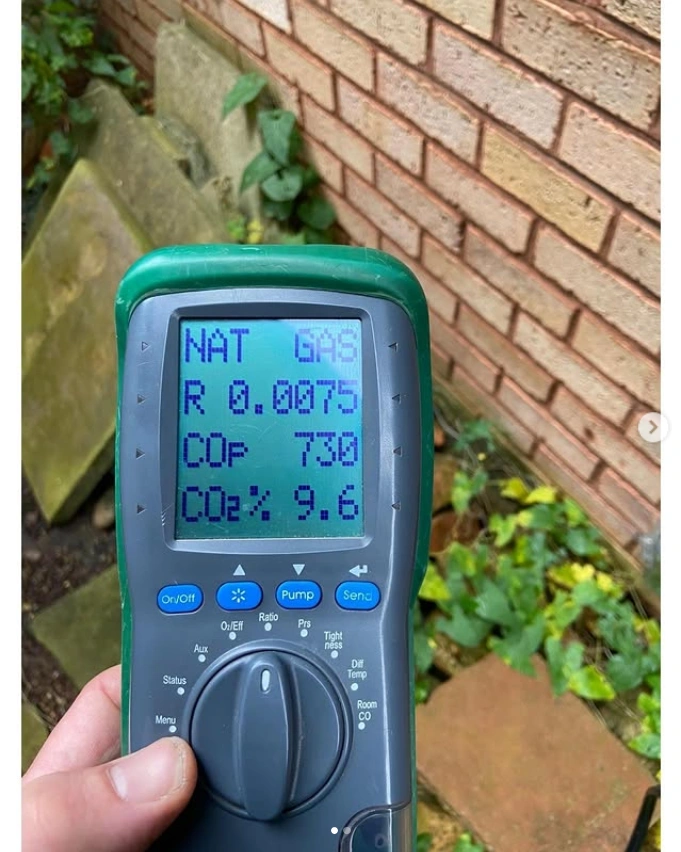
Why Your Boiler Keeps Losing Pressure (And When to Call an Engineer)
A boiler that needs topping up every few days is telling you something. Here is what falling pressure actually means, what you can safely check yourself, and the point at which it needs a Gas Safe engineer.
Read more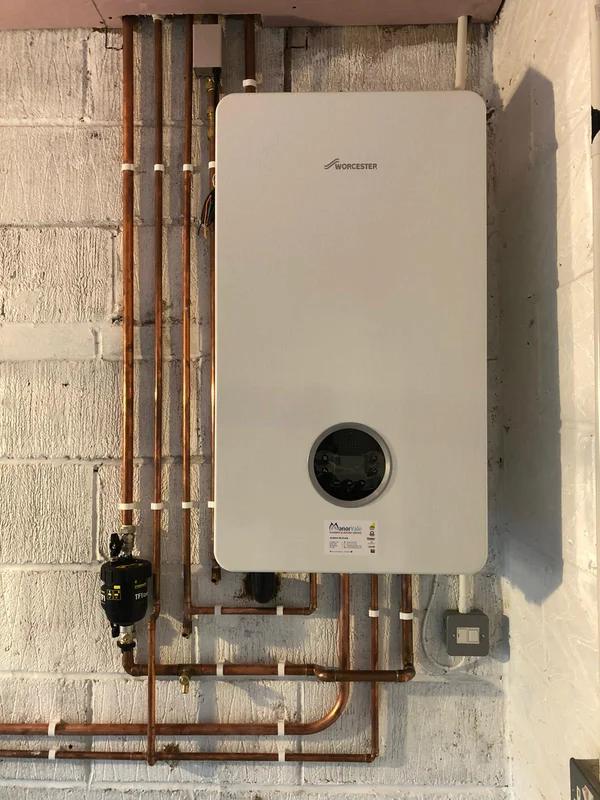 Maintenance
How Often Should You Service Your Boiler?
Annually is the short answer - but the reasons behind it are more interesting than the manufacturer warranty small print suggests. Here is what a service actually covers and why skipping one costs more than it saves.
Read more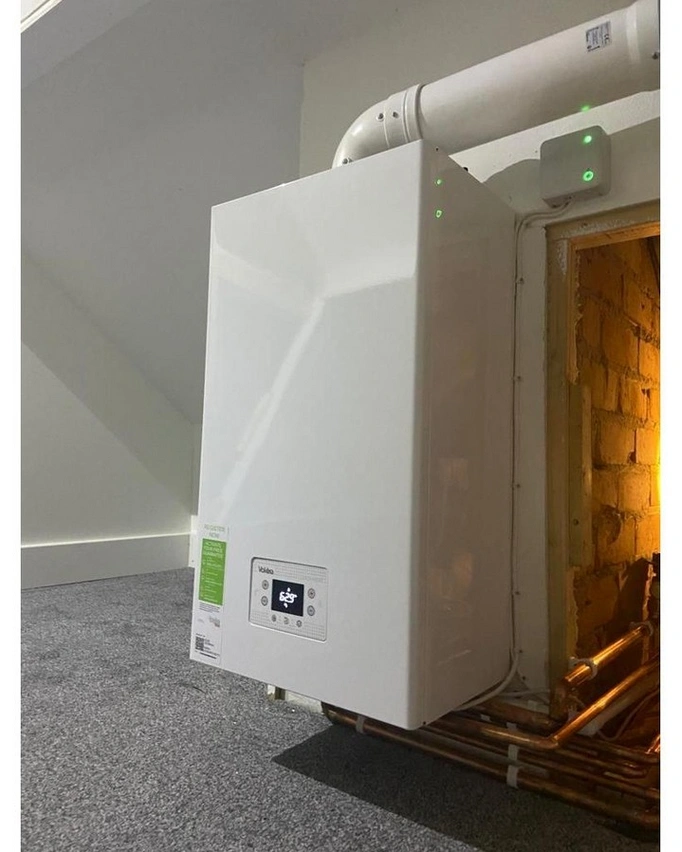 Compliance
Landlord Gas Safety Certificates: What the Law Actually Requires
CP12, annual checks, access disputes and record keeping - a plain-English guide to your obligations as a landlord, and the mistakes that most often catch people out.
Read more